Trending News


News
News
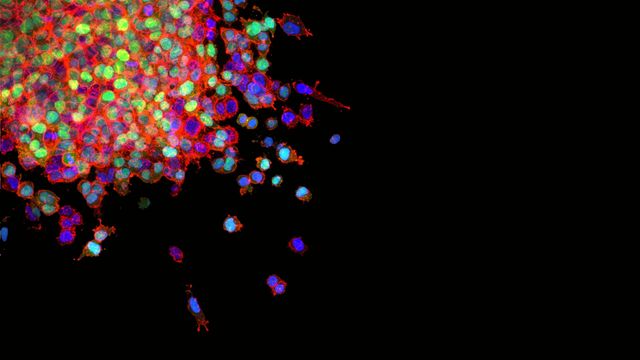
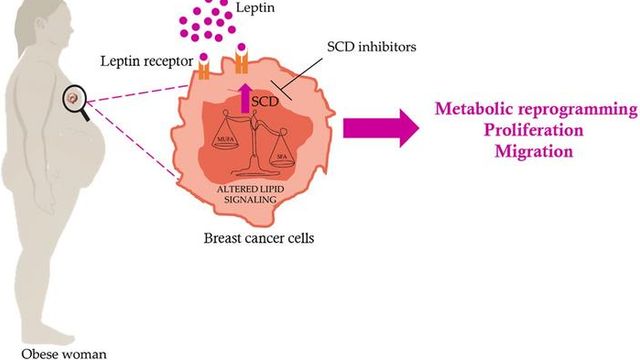
Fat Hormone Found To Activate Cancer-Promoting Metabolic Pathway
Researchers identified how leptin, a hormone from fat cells, fuels estrogen receptor-positive breast cancer. The study found leptin activates the enzyme SCD, boosting cancer cell growth and energy production.

News
A Daily Coffee May Cut Atrial Fibrillation Risk by 39%
A coffee a day keeps the risk of atrial fibrillation away, suggests the first randomized clinical trial on the topic.
News
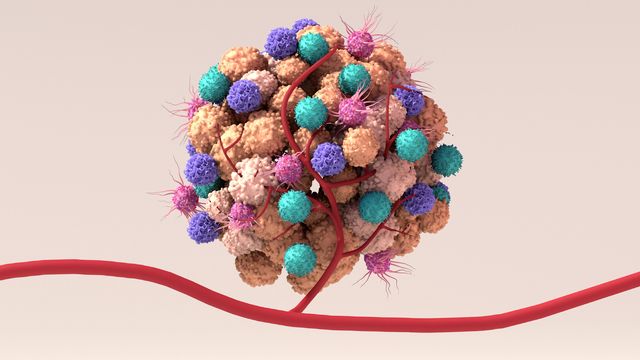
CRISPR-Enhanced CAR T Cells Overcome Solid Tumor Barriers
Monash University researchers used CRISPR or a PTPN2 inhibitor to enhance CAR T cell function against solid tumors. Blocking PTPN2 improved T cell persistence and tumor killing in preclinical models, creating long-lived, stem-like CAR T cells.

News
GLP-1 Drug Comparison Reveals Comparable Cardioprotection
Mass General Brigham researchers used real-world data to conduct a head-to-head study to investigate cardioprotective effects, finding both medications reduced risk..
News
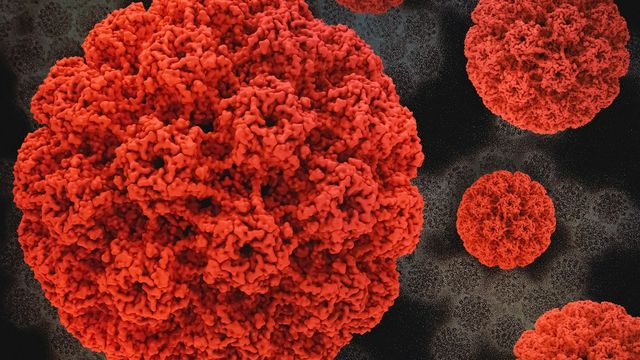
HPV Vaccine Protects for Over 12 Years
A nationwide study in Scotland confirms that HPV vaccination provides strong, lasting protection against cervical precancer for more than a decade. Women vaccinated at ages 12–13 showed up to 82% reduced risk of high-grade lesions.
News
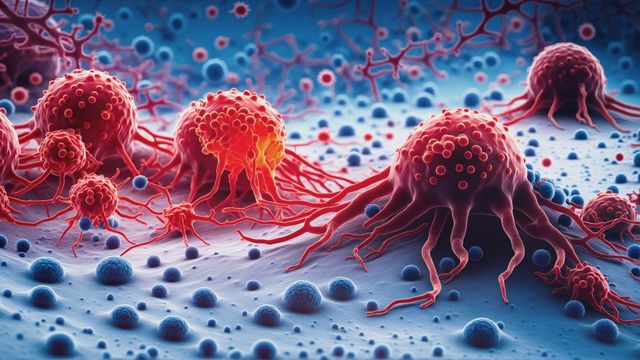
How Metastatic Colorectal Cancer Evades the Immune System
New research has identified two complementary mechanisms that enable metastatic colorectal cancer to block the immune system.

News
AI-Driven Tool Identifies Alzheimer's Without Additional Clinical Time
Discover how digital detection of dementia enhances early diagnosis in primary care without extra clinician time or costs.

News
Composite Metal Foam Could Be Used for Safer Hazmat Transportation
The metal foam can withstand tremendous force – enough to punch a hole in a railroad tank car – at much lower weight than solid steel, offering a safer option for transporting hazardous materials.

News
Glial Cells in the Retina Are Key for Internal Clock Synchronization
New research has shown that glial cells in the retina are key for neural circuits to adjust to day–night cycles.

News
Neanderthal DNA Helps Explain Why Our Faces Look Different
Scientists at the University of Edinburgh discovered that a Neanderthal DNA region activates a jaw-forming gene, SOX9, more strongly than the human version. The finding helps explain Neanderthals’ larger jaws.
Advertisement