Trending News

News

News
Forever Chemicals Affect the Genes of Unhatched Ducklings
Discover how PFAS exposure affect the fat metabolism genes of ducklings, which could threaten the birds’ survival and reproduction.
News
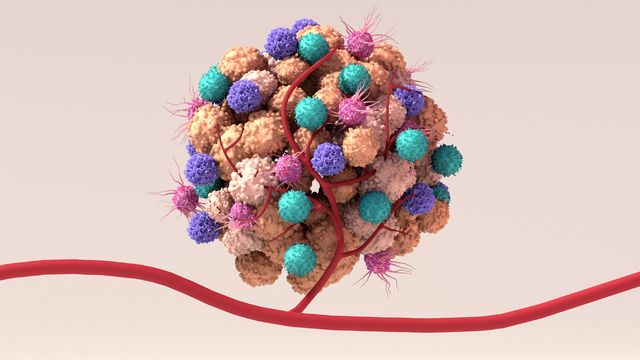
CRISPR-Enhanced CAR T Cells Overcome Solid Tumor Barriers
Monash University researchers used CRISPR or a PTPN2 inhibitor to enhance CAR T cell function against solid tumors. Blocking PTPN2 improved T cell persistence and tumor killing in preclinical models, creating long-lived, stem-like CAR T cells.

News
Neanderthal DNA Helps Explain Why Our Faces Look Different
Scientists at the University of Edinburgh discovered that a Neanderthal DNA region activates a jaw-forming gene, SOX9, more strongly than the human version. The finding helps explain Neanderthals’ larger jaws.

News
What the Genomes of Maned Sloths Reveal About Survival and Inbreeding
Researchers sequenced the genomes of Northern and Southern Maned Sloths, uncovering distinct conservation challenges. Southern sloths show low genetic diversity, while northern ones face rapid inbreeding due to deforestation.
News
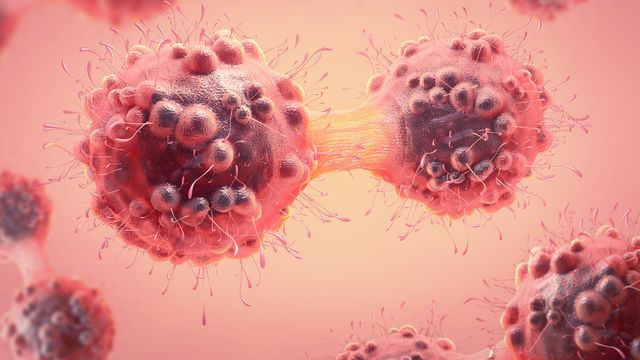
Not All p53 Mutations Are Equal – Some May Help Guide Treatment
Researchers discovered that some p53 mutations, particularly R273H, overstimulate DNA replication and trigger immune activation through the cGAS-STING pathway. These tumors responded better to immunotherapy in mouse models.

News
New Technique Could Speed Up the Development of Gene-Edited Crops
Discover how a novel acceleration technique allows for the creation of transgenic and gene-edited crops without tissue culture.

News
Friendly Bacteria May Turn Harmful in Coronary Artery Disease
A metagenomic study uncovers how gut bacteria influence coronary artery disease, showing a loss of protective species and activation of harmful metabolic pathways.
News
Ancient Viruses Help Shape the Human Placenta
An international team discovered that ancient viral DNA fragments help regulate genes essential for placental function. The study identified virus-derived enhancers linked to the gene EPS8L1, whose overexpression triggers pre-eclampsia-like changes.

News
Maternal Diabetes Leaves Protective Marks on Children’s DNA
Researchers from Helmholtz Munich found that children of mothers with type 1 diabetes have distinct DNA methylation patterns that may protect against islet autoimmunity. The study identified epigenetic changes in key immune-related genes.
Advertisement